

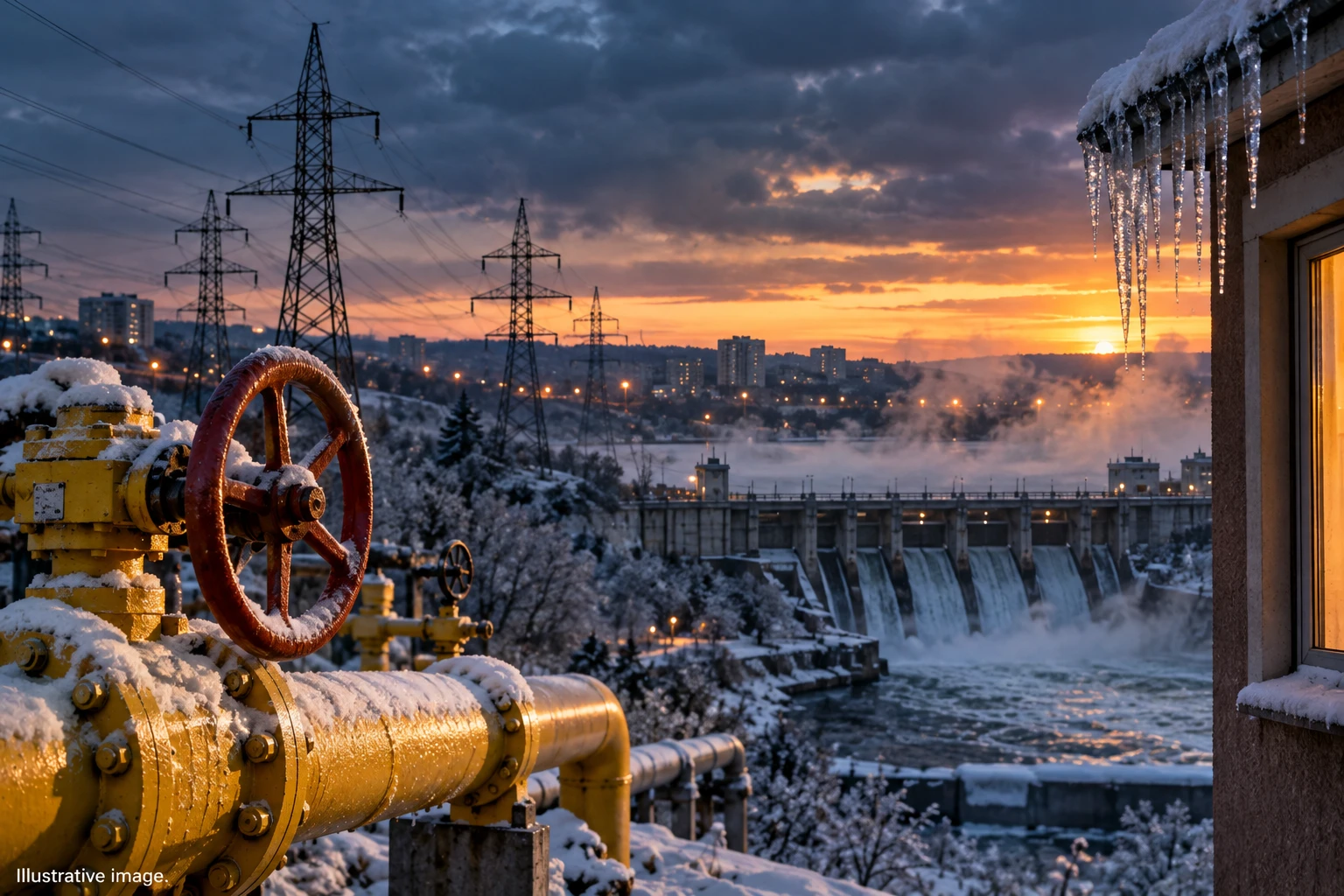
Parliament adopted the relevant resolution on Tuesday evening, following a proposal from the government and the National Crisis Management Center, with 54 deputies voting in favor, given the ongoing and growing serious vulnerabilities to the country's energy security, caused by ongoing attacks on Ukraine's regional energy infrastructure, disruptions to maritime and riverine logistics chains for petroleum products, heightened volatility in regional and global markets, and a prolonged hydrological deficit. These factors jeopardize the continuity and reliability of electricity, natural gas, and heat supplies, as well as the availability of fuel at the start of the cold season. In addition, the critical decline in water flows in the Dniester and Prut river basins poses a direct threat to the operation of water intake facilities and the supply of drinking water to the population. At the same time, there is a direct link between the stability of the electricity supply to pumping stations and the prevention of a sanitation crisis or the shutdown of district heating systems. These disruptions create the risk of resource shortages, prolonged supply interruptions, and excessive price increases, which could seriously affect the population's purchasing power, the functioning of the economy and critical infrastructure, as well as Moldova's energy security. In this regard, the government proposed introducing additional intervention measures to ensure the maintenance of minimum reserves, the stability of the domestic market, and the immediate protection of citizens in a crisis situation. The resolution adopted by Parliament takes effect on the date of its publication in the Monitorul Oficial. According to the document, during the state of emergency, the National Commission for Crisis Management is authorized to approve and implement mandatory, temporary, and proportionate measures to prevent shortages and ensure the reliability of supplies, necessary for the uninterrupted functioning of the state, including through emergency measures concerning the availability, procurement, stockpiling, quality maintenance, distribution, and use of energy resources and fuel, as well as ensuring the flow of their import, export, transportation, and sales. These measures must also be aimed at protecting the population and sectors of the national economy from energy shocks, including through temporary measures regarding the setting and application of prices, tariffs, fees, excise taxes, and other obligations related to energy resources, in order to maintain access to energy and fuel and to mitigate the economic and social impact of significant price increases on the population, businesses, and critical infrastructure. In addition, the measures adopted by the National Crisis Management Commission should address maintaining the continuity of electricity supply and protecting vital consumers and residential consumers, including by establishing temporary rules for prioritizing electricity supply and managing electricity consumption, so that residential consumers, essential public services, and critical infrastructure are protected from prolonged supply disruptions. They should also aim to ensure the continuity of drinking water supply to the population and the reliable operation of water intake and treatment infrastructure, including by restricting non-essential industrial and agricultural water withdrawals during periods of hydrological deficit, as well as by mobilizing pumping equipment and autonomous power sources from government reserves; maintaining the operation of energy infrastructure and the national response capacity, including through the mobilization and prioritized use of resources, equipment, services, available capacity, and the application of procedures adapted to the specific circumstances of the crisis. This also involves the prompt removal of obstacles of any kind to crisis management, including the temporary modification of certain conditions applicable to economic operators, and ensuring the continuity of response measures. The aforementioned measures will be adopted by decision of the National Commission for Crisis Management; they are binding and must be implemented by public authorities, economic agents, public institutions, and citizens. To implement these measures, the National Commission for Crisis Management will authorize the competent authorities and public institutions to issue the necessary operational acts of an executive nature. It is stipulated that acts of general application must be accompanied by a justification, published immediately, and submitted to Parliament within no more than 72 hours. The resolution emphasizes that the declared state of emergency does not affect the organization and conduct of elections in Moldova. // September 22, 2026 — InfoMarket