


Moldova will showcase its tourism potential at the World Travel Market London 2026
Moldova's tourism potential will be prominently featured at the World Travel Market London 2026, which will take place November 3–5 in London
Moldova's tourism potential will be prominently featured at the World Travel Market London 2026, which will take place November 3–5 in London

In Moldova, starting November 1, international B2C (Business-to-Consumer) mail shipments—specifically, orders placed by individuals from foreign sellers with a value of up to 150 euros—will be subject to a 20% VAT rate.

Moldovan spirits significantly strengthened their position at an international tasting in London, winning an impressive array of awards. The jury specifically noted the growing competitiveness of Moldovan spirits compared to those from better-known brandy-producing regions, and industry insiders are already discussing new opportunities for export and promotion in foreign markets.
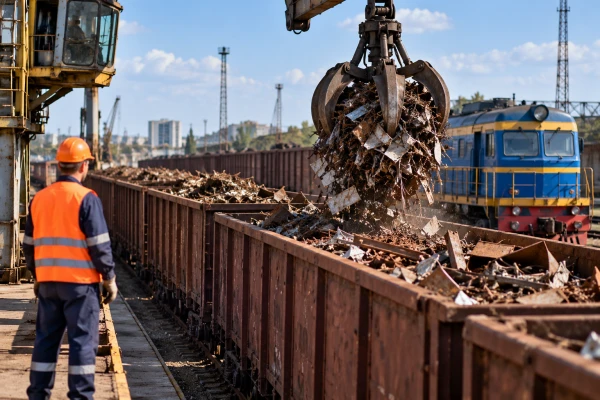
The state-owned enterprise "Moldovan Railways" has resumed importing scrap metal by rail after a hiatus of several years
Moldova reduced its debt to the IMF over the first nine months of the year and remained in the middle of the list of the fund's debtor countries. The latest IMF statistics also reflect changes among the largest borrowers and the total volume of outstanding obligations, which remains significant.
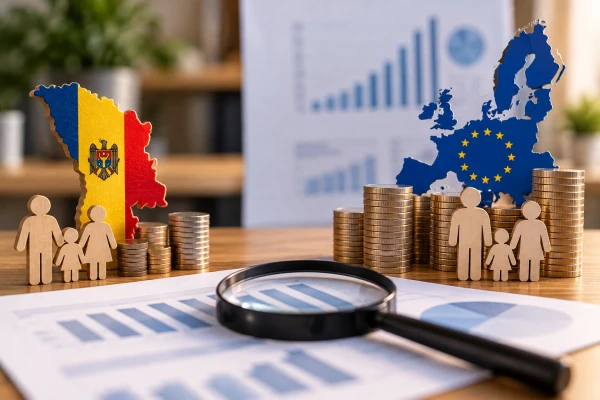
An economic expert highlighted the issue of comparability between poverty statistics in Moldova and the EU: current national indicators do not yet allow for a direct comparison with pan-European data. In his assessment, the transition to a harmonized methodology could significantly alter perceptions of the extent of poverty in the country and clarify its position among countries in the region.

Moldova ranked among the largest wine suppliers to the Russian market last year, placing in the top 20 in terms of export value. Industry statistics also reveal notable differences between the leaders in terms of revenue and physical shipments, which makes the import structure particularly revealing.
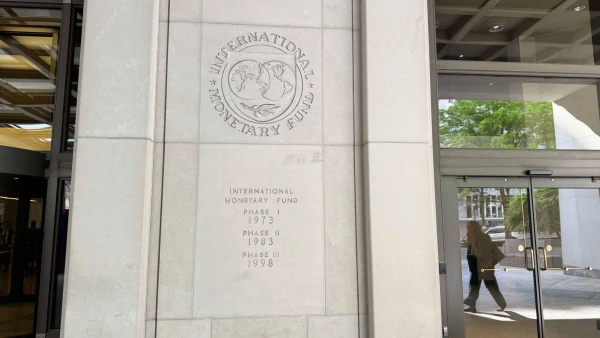
An IMF mission will return to Moldova later this month to review recent economic developments and discuss the authorities' policy priorities, with talks expected to cover the next steps on macroeconomic and financial stability. The visit comes after earlier discussions on a new medium-term program and against a backdrop of shifting growth, inflation and external balance forecasts.
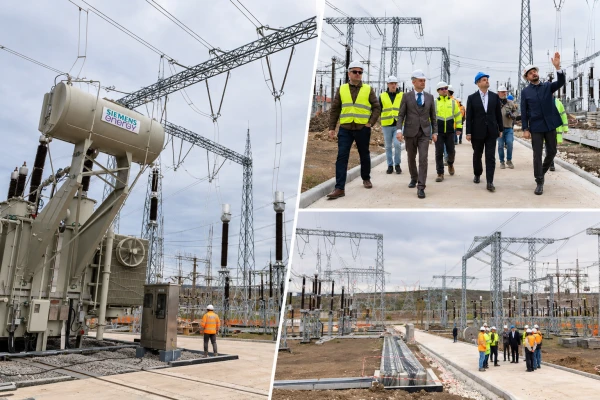
The modernization of the Chișinău power substation is entering its final stage: equipment testing is being completed at the site, and preparations are underway to commission it in the coming weeks. The project is part of the development of a key power transmission line, which is expected to shift the balance of the country's power grid and enhance its resilience.

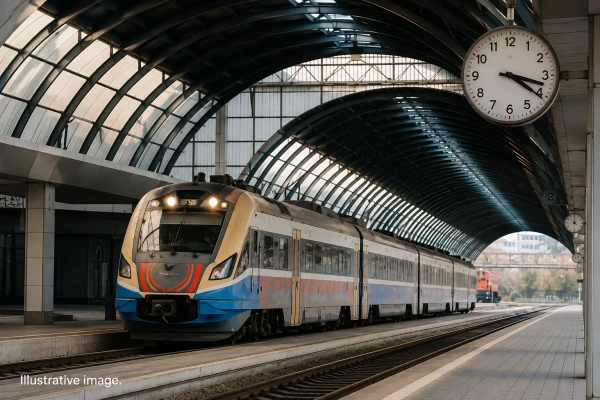
On October 16, specialists from the state-owned enterprise "Moldovan Railways" conducted a test run on the new Chișinău–Revaca–Sîngera rail route.
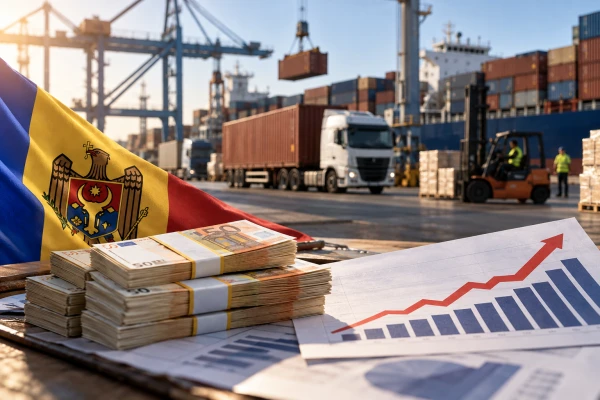
Moldova's trade deficit increased significantly over the first eight months, although trends across major trade partners were mixed. Against the backdrop of a widening overall trade deficit, indicators for key trading partners have also changed, pointing to a redistribution of foreign trade flows.
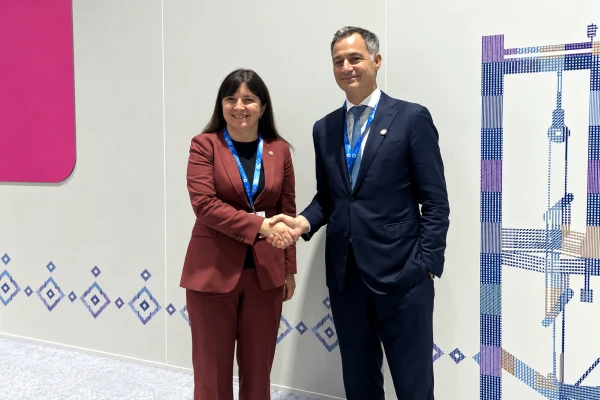
UNDP is preparing a new country program for Moldova, which is intended to identify priorities for continued support to the country and align that support with national reforms and development goals. At a meeting in Bangkok, the parties discussed future areas of cooperation and how international assistance will align with Moldova's domestic priorities.
Moldova's exports in August 2026 totaled 268.5 million euros, down 16.2% from the previous month
Loading…