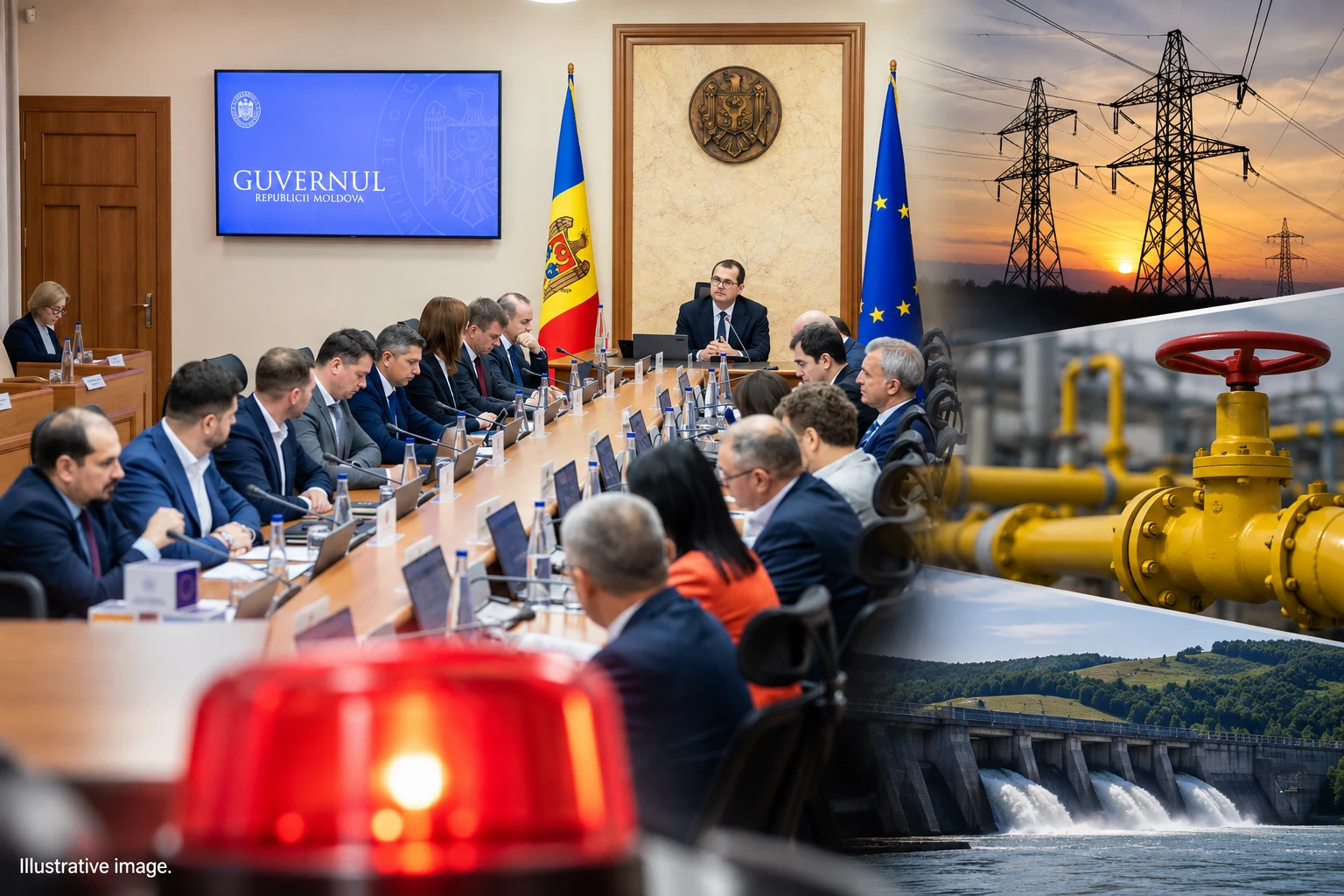
The Cabinet of Ministers adopted this decision at its meeting on Tuesday. Parliament will consider this issue this afternoon. According to government officials, this preventive measure is necessary to ensure that authorities can respond promptly to potential disruptions in energy, fuel, and water supplies, given regional risks and the acute shortage of water resources. The previously imposed state of heightened readiness in the energy and hydrological sectors expires on September 25; however, the risks that led to its introduction have not disappeared; on the contrary, they have intensified due to events in the region, pressure on energy markets, and the worsening water shortage. In addition, we are entering the cold season, when the load on the power grid will increase. The energy sector is vulnerable. This winter, about 59% of the country's electricity needs will have to be met through imports. During peak hours, the demand for imports is estimated at 400–450 MW, of which only about 360 MW is guaranteed capacity. The remaining volume depends on additional capacity available in the region, which cannot be relied upon on a permanent basis, meaning that rapid intervention will be necessary. As for natural gas, more than 90% of the volume needed for the cold season has already been contracted. Currently, there is no risk of a gas shortage. The risk is financial in nature, as prices on international exchanges have risen, and purchasing gas while simultaneously replenishing mandatory reserves requires significant financial resources within a tight timeframe. At the same time, the situation on the fuel market has improved thanks to measures taken by the authorities. While in early August diesel fuel reserves were sufficient for only 3.5 days—and 109 gas stations reported fuel shortages—reserves now last for about 10 days, and the number of stations reporting shortages has fallen to 7. Nevertheless, external risks persist due to disruptions in regional and international markets. The situation has stabilized; however, given the current global context—the closure of straits, reduced diesel refining capacity, and reports of shortages in many countries—rapid response mechanisms are necessary. "We must stabilize prices and, most importantly, ensure supplies to prevent shortages and guarantee uninterrupted operations," the Cabinet of Ministers noted. At the same time, Moldova is facing a persistent water shortage in the Dniester and Prut rivers. Low water levels could affect the operation of water intake facilities and, as a result, the supply of drinking water to the population. The government points out that the energy sector and water supply are inextricably linked. Electricity is required for the operation of facilities that abstract, pump, and treat water. Conversely, drought leads to a decrease in electricity generation at hydroelectric power plants. Thus, a problem in one sector can instantly exacerbate the situation in another. This is precisely why a mechanism is needed to allow for measures to be taken before these risks affect the population. It is planned that the state of emergency will allow, depending on how the situation develops, for proportionate temporary measures to be taken to maintain reserves and imports of energy resources and fuel, protect residential consumers and critical infrastructure, and ensure uninterrupted water and energy supplies. Prime Minister Vasile Tofan emphasized that these measures are necessary so that the government can act proactively, without waiting for external risks to directly affect citizens. "The authorities' goal is to prevent shortages and disruptions, ensure an uninterrupted supply of energy, heat, water, and fuel, and guarantee the continuous operation of life-support services," he noted. The proposal to declare a state of emergency will be submitted to parliament for approval. // 22.09.2026 — InfoMarket
Moldova will declare a state of emergency in the energy and hydrology sectors for 60 days
The Moldovan government will propose that Parliament declare a state of emergency in the energy and hydrological sectors throughout the country for a period of 60 days, beginning on September 26