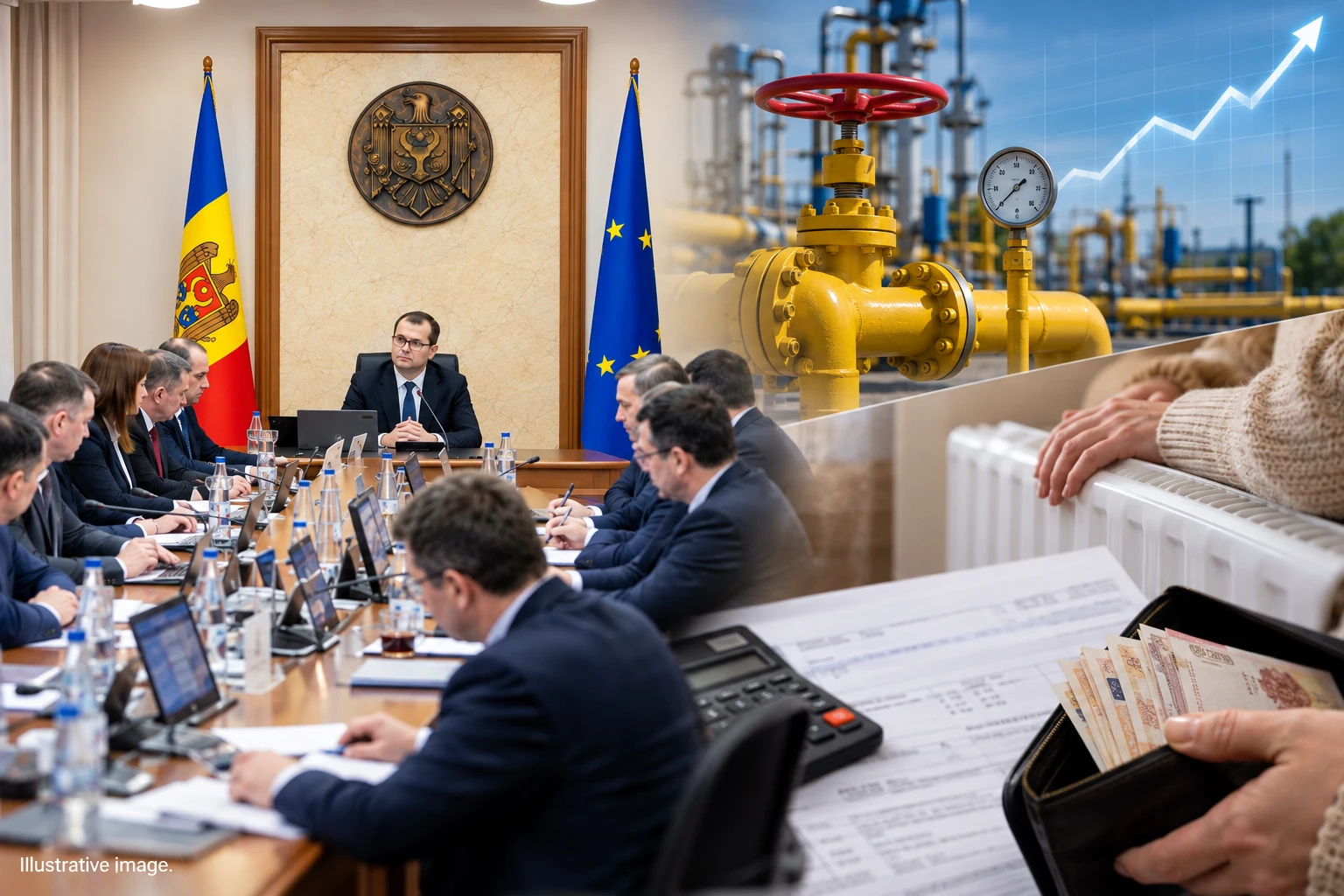
Prime Minister Vasile Tofan made this statement, noting that the government will adjust its plans for energy compensation spending in light of the expected increase in natural gas rates. He noted that increasing risk factors—such as the conflict in the Middle East, damage to oil refineries, drought, and rising prices on international markets—are putting increasing pressure on households, and that the Cabinet of Ministers will seek additional resources for the Energy Vulnerability Fund to provide support to a greater number of households. Vasile Tofan emphasized that the government will today ask Parliament to support the declaration of a state of emergency in the energy and hydrological sectors throughout the country for a period of 60 days, beginning on September 26. He noted that, although the authorities cannot influence drought, war, or fuel shortages, there are things within their control, and under these circumstances, the government's assistance to the people becomes an absolute priority. The prime minister acknowledged that, indeed, the authorities had planned to save money this year and allocate certain government expenditures in a more targeted manner. However, the growing pressure on households is forcing them to increase the amount of funds allocated for compensation. In previous years, we spent between 2.5 billion and 3.5 billion lei during the winter season. This year, we did not expect market prices to be so high, so we will have to revise our initial plans. We must ensure that the Energy Vulnerability Fund covers a greater number of households and find the necessary funds to do so. The number of such households may well exceed 620,000. "In the face of the challenges Moldova is facing, the government will always support its citizens," the prime minister said. // 22.09.2026 — InfoMarket
The government will increase its forecast for compensation payments to the public due to rising gas prices
The government will revise upward its projected spending on compensation for the public during the upcoming cold season, taking into account rising gas prices on international markets