

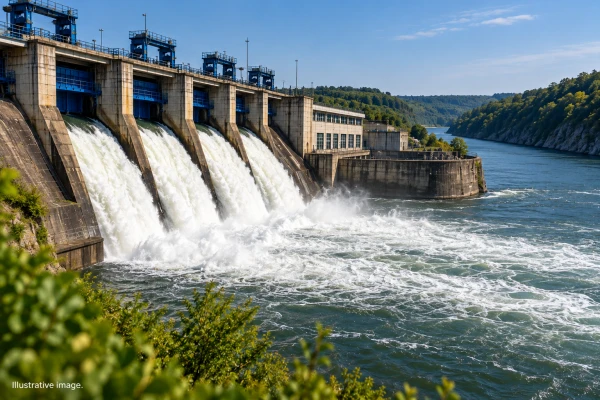
Ukraine will increase its water discharge into the Nistru by about 20%
Ukraine will increase the volume of water released into the Nistru by approximately 20%
Ukraine will increase the volume of water released into the Nistru by approximately 20%
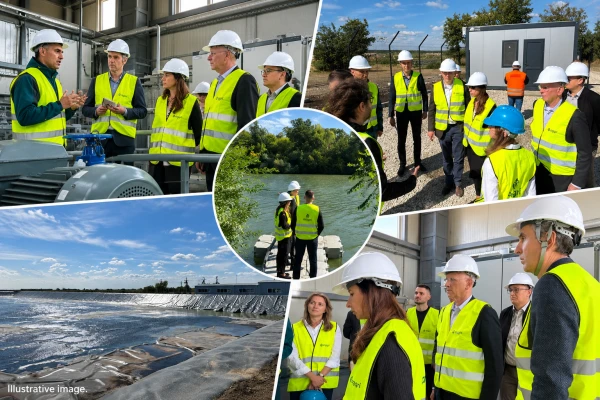
In Moldova, the modernization of the Crocmaz-Caplani-Tudora centralized irrigation system is nearing completion as part of the World Bank-funded AGGRI project
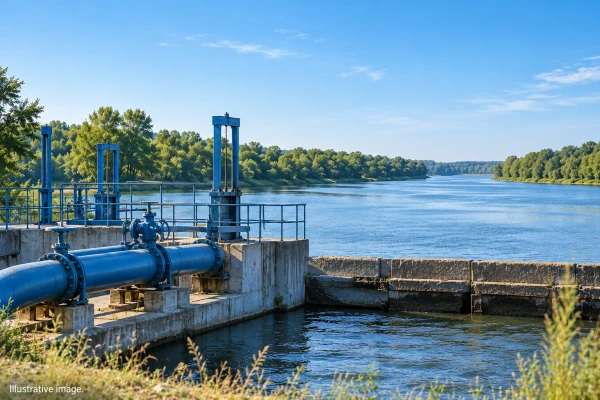
In Moldova, water use regulations have been tightened during the state of emergency: water withdrawals from the Nistru and Prut rivers for irrigation have been suspended, and a number of non-priority uses have been temporarily restricted. The decision affects the operations of water supply operators, plans for uninterrupted water supply, and measures to ensure water for critical facilities in the event of a potential water shortage.
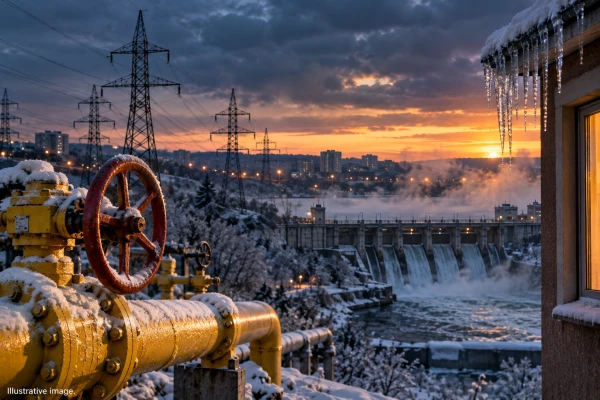
A state of emergency has been declared in Moldova's energy and hydrological sectors at the national level for a period of 60 days, effective September 26, 2026.

Moldova and Ukraine have agreed on a temporary arrangement regarding the Nistru River amid a drought and declining water levels in the reservoir. The decision was made as a compromise, but the situation remains tense: both the water supply and the operation of the region's hydropower infrastructure will depend on future weather conditions.
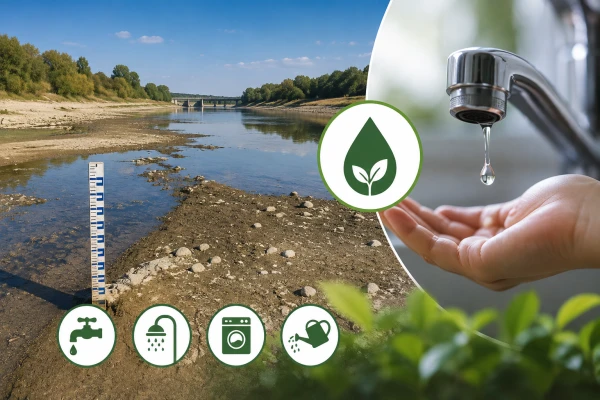
Moldova's Environment Ministry has clarified the hydrological situation on the Dniester, saying current water levels remain stable for now but warning that the balance is becoming harder to maintain as upstream reserves are rapidly shrinking. The issue is expected to be discussed at an upcoming bilateral commission meeting, while authorities are urging businesses, farmers and households to cut non-essential water use.
Loading…