

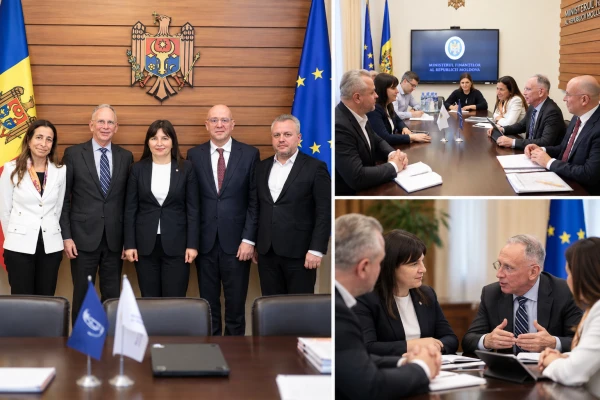
The World Bank will finance infrastructure, energy, and water supply projects in Moldova
The World Bank will finance new projects in Moldova in areas such as infrastructure, energy, and water supply
The World Bank will finance new projects in Moldova in areas such as infrastructure, energy, and water supply

Moldova enters the new business week with a dense policy and market agenda, as fresh data point to widening fiscal pressure, stronger reserves and continued inflows from abroad. At the same time, major decisions are expected in energy, investment and capital markets, with several initiatives that could reshape financing, tariffs and business regulation.
The National Bank's foreign exchange reserves reached a new all-time high, continuing to rise at the end of the most recent reporting week. The regulator's statistics also show a noticeable increase in this figure since the beginning of the year, and the full version of the article provides details on the trends and a comparison with previous records.
The EBRD maintained its GDP growth forecast for Moldova at 2.8% for 2026 and 3.5% for 2027
Moldova's external public debt increased by $368.98 million (+7.7%) in January–August 2026, reaching $5 billion 179.59 million as of August 31

Moldova's economy enters the autumn with mixed signals: while some sectors continue to support growth, others remain under pressure from weak demand and high financing costs. At the same time, energy tariffs, export performance, fiscal changes and financing trends are shaping a busy policy and market agenda that could affect businesses and households in the months ahead.

Sergiu Padure, Chief Economist at Moldindconbank
Moldova's economic agenda is being shaped by a mix of monetary tightening, new tax rules and fresh infrastructure funding, while exporters and businesses are adapting to shifting trade and logistics conditions. The full briefing also tracks notable changes in reserves, industrial prices, rail cargo flows and several investment projects that could matter for markets and policymakers.
The National Bank of Moldova has once again raised its benchmark rate, bringing it to its highest level in more than three years. The decision reflects a significant tightening of monetary conditions amid a series of adjustments over the past few months.



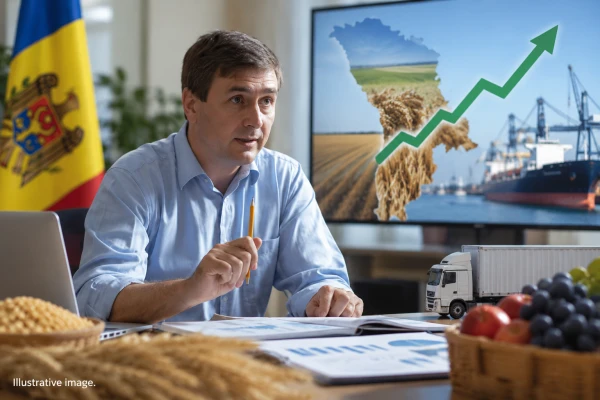
After three years of continuous decline—from approximately 1.94 billion to 1.39 billion euros—Moldova's agricultural exports resumed growth starting in the third quarter of 2025 and reached 1.79 billion euros - Veaceslav Ioniţă
Loading…