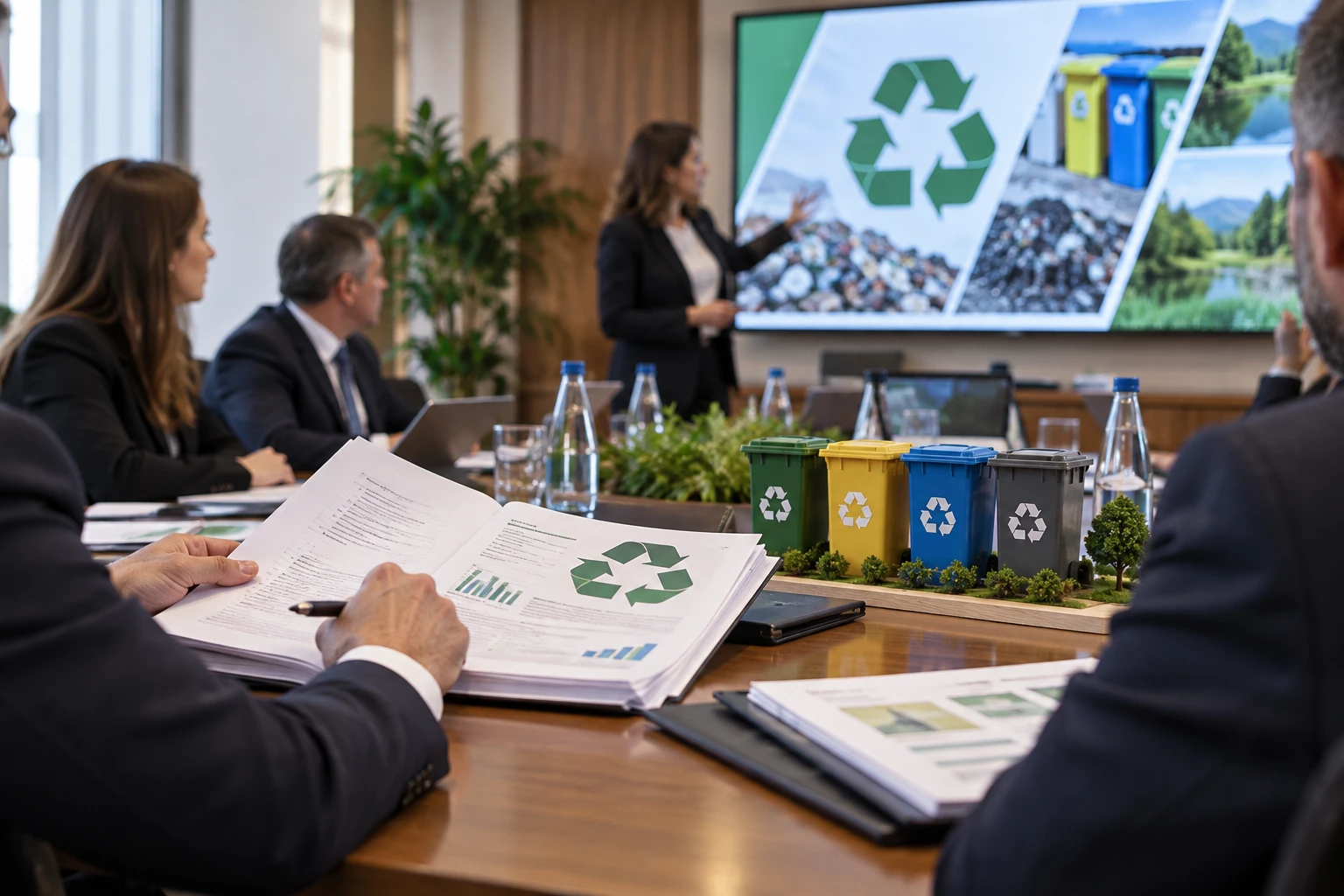
According to the agency, public consultations with economic stakeholders focused on increasing the volume of separate waste collection and recycling, reducing the amount of waste sent to landfills, and corporate responsibility. The bill aims to establish an effective system for waste collection and the recovery of materials from waste for reuse. These materials include textiles, plastics, and construction and demolition waste. Requirements for the separate collection and processing—including composting—of food and plant waste have been established to reduce the volume sent to landfills. The ministry noted that the new amendments will change the reporting procedures for manufacturers and importers. They will be required to declare, on a quarterly basis and in electronic format, the volumes of products supplied to the Moldovan market and for which they are responsible after use. This information is necessary to determine the volume of waste subject to collection and recycling. The data reported by companies will be cross-checked with customs data and reports from collective extended producer responsibility systems to determine the volume of waste subject to collection and recycling. It is also proposed to strengthen oversight of such systems and control over the use of funds earmarked for waste collection and recycling. Simplifying and clarifying the requirements for collection points was also discussed. In particular, there are plans to distinguish between facilities that merely accept and temporarily store waste prior to removal and those that process it: depending on the type of activity, these facilities will be subject to requirements for registration or obtaining a permit. The draft bill and accompanying documents have been published for public comment. // 16.10.2026 — InfoMarket.
The Ministry of Ecology presented new amendments to the Waste Management Act to the business community
The Ministry of the Environment presented a draft amendment to the Waste Management Act to the business community