


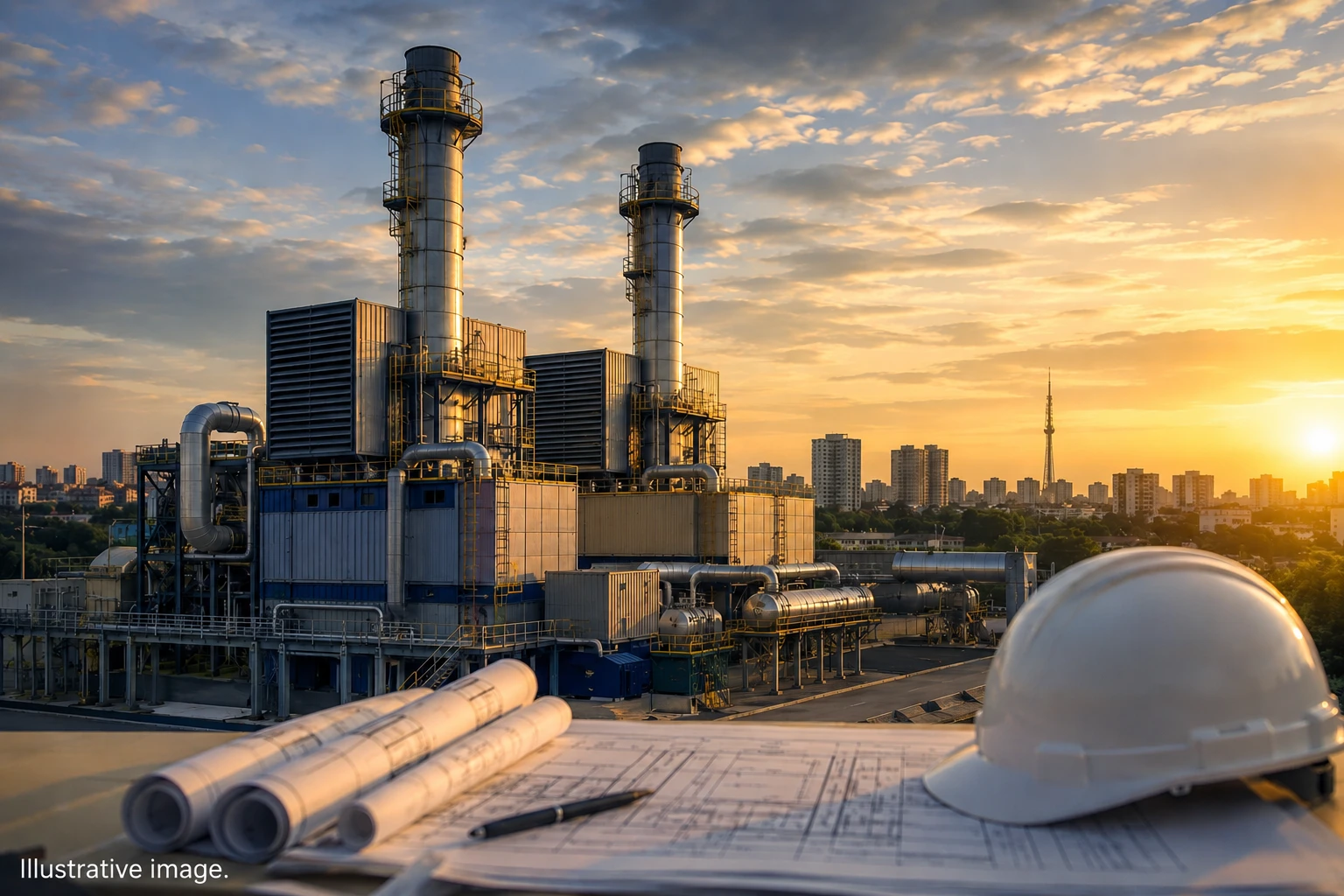
One of the largest energy modernization projects in Chișinău is coming to an end without its main component. The second project to improve the efficiency of Chișinău's centralized heating system (PIESACET-2 (Al doilea Proiect de Îmbunătățire a Eficienței Sistemului de Alimentare Centralizată cu Energie Termică din Chișinău)), for which the World Bank approved a $100 million loan in 2020, called for the construction of two new Termoelectrica cogeneration plants. This contract accounted for the bulk of the funding. However, after two international tenders, the contract was never signed. It has now been decided to complete the current project, and the authorities, together with the World Bank, are considering preparing a new one.
The total World Bank financing for PIESACET-2 amounted to $100 million. Of this amount, $92 million was earmarked for optimizing heat and electricity generation, $7 million for improving the energy efficiency of buildings, and $1 million for project management and technical assistance. The largest investment component was the construction of two cogeneration plants at CT Vest and CET Sursa 3.
The first international tender for the design and construction of two new high-efficiency cogeneration plants at CT Vest and CET Sursa 3 was announced on November 28, 2022. Two bids were submitted, but both were ultimately rejected: one did not meet the procurement requirements, and the other failed to pass the technical evaluation and qualification requirements. In July 2024, the World Bank approved a repeat procurement, and on September 27, the tender was re-announced.
This time, competition was fiercer. Following consultations with manufacturers and energy companies from various countries, four companies from Turkey, Hungary, and Azerbaijan submitted bids on March 17, 2025. The new units were expected to provide approximately 55 MW of electrical capacity and at least 43 Gcal/h of thermal capacity.
But by the time of the second tender, the allocated budget was no longer in line with market conditions. The financial proposals were opened on September 18, 2025. According to the World Bank, the price of the bid with the highest final evaluation was 38% higher than the estimated contract value of €81 million.
Part of the difference was due to the parameters of the bid itself. The proposed configuration of the two units called for an electrical capacity of 62.1 MW, compared to the minimum requirement of 54.74 MW. The World Bank also took into account the rising cost of power generation equipment. After adjusting the estimated cost, the overrun was reduced to 11.3%, but this still required additional funding.
At the end of 2025, efforts were still being made to salvage the project. The government sought an extension of the implementation period to secure the missing funding and conduct negotiations with the top-ranked bidder. By that point, the World Bank had rated both the progress toward the project's objectives and the overall progress of its implementation as "Moderately Unsatisfactory." As of November 28, 2025, $7.84 million, or about 8%, of the $100 million in loan financing had been disbursed.
Under PIESACET-2, 155 individual heat distribution units were installed in approximately 100 buildings, certain equipment at CET Sursa-1 was modernized, and studies were prepared for the further development of Termoelectrica's power generation. However, the largest investment component—the construction of two new combined heat and power plants, which accounted for about 90% of World Bank financing—was not implemented.
The significance of the new capacity extends beyond heat supply. The two plants were intended to add approximately 55 MW of electricity-generating capacity and operate in cogeneration mode, simultaneously producing heat and electricity. The project also called for the decommissioning of CET Sursa-2—the former CHP Plant No. 1, which had been commissioned back in 1951.
On September 2, 2026, the Joint Unit for the Implementation and Monitoring of Energy Projects (UCIPE—Unitatea Consolidată pentru Implementarea și Monitorizarea Proiectelor în domeniul Energeticii) announced that the second procurement procedure had also failed to result in the signing of a contract. Following an analysis conducted jointly with Termoelectrica, a technical consultant, and the World Bank, it was decided to terminate PIESACET-2 and consider preparing a new project to develop heat and power generation capacity.
The official explanation cites changes in the international energy equipment market: rising demand, limited production capacity, supply chain issues, and price fluctuations. World Bank documents confirm that by 2025, the cost of equipment had already become one of the key obstacles to implementing the original plan.
Time has become the main cost factor in this story. The World Bank approved PIESACET-2 on June 18, 2020, and the project took effect on March 29, 2021. More than five years later, the two facilities that accounted for the bulk of the funding have not been built, while CET Sursa-2, which began operations back in 1951, remains part of the capital's power grid. The financing can be restructured, and the procurement process can be conducted again; UCIPE notes that preparing a new project could allow Moldova to utilize available funds in the future. However, the next attempt will have to be launched under different pricing conditions. // 04.09.2026 – InfoMarket.