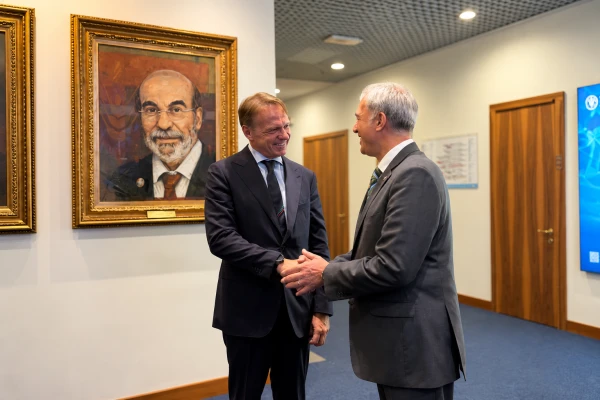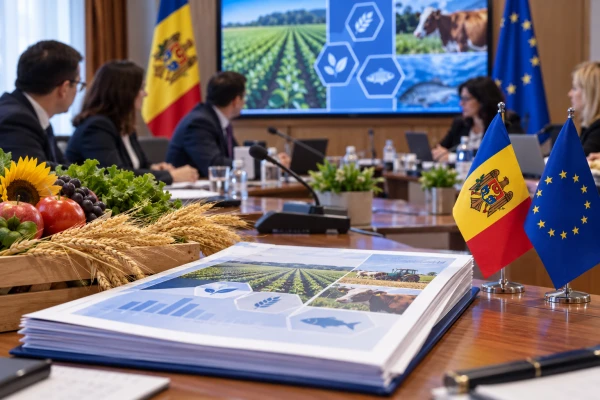
Moldova's irrigation sector needs investments of approximately 3 billion euros, says Ioniță
Irrigation should become one of the main areas of development for Moldova's agriculture; this will require about 3 billion euros — Veaceslav Ioniță
Moldova will introduce clearer rules regarding the onset of fruit production in orchards and other perennial plantings
The government has approved a broad package of measures aimed at the upcoming heating season, while also advancing changes in energy regulation, public procurement transparency and the restructuring of a major state-owned railway enterprise. At the same time, new signals are emerging on EU financing, investment activity and banking policy, with several decisions that could shape the business environment in the months ahead.
The Farmers' Association has spoken out against the planned change to the tax regime for grain and oilseed crops, stating that it could drastically worsen the situation in an already weakened sector. The organization warns that if the decision stands, it is prepared to begin consultations on mass protests and insists on a public debate of the initiative in parliament.
Moldova is expanding the range of industries capable of attracting foreign capital and is focusing not only on already established export sectors but also on new areas with high growth potential. At Moldova Business Week 2026, investors will be presented with projects and conditions for entering the sectors that are currently shaping the next wave of business activity in the country.
A temporary licensing regime for the import of grains and oilseeds has taken effect in Moldova, which will affect key commodity lines in the agricultural market. The new regulations impose additional requirements on importers and provide for certain exceptions; the details of the mechanism and the list of eligible applicants may prove important for businesses.
In Moldova, farmers can receive up to 2 million lei from IFAD on favorable terms to purchase agricultural machinery and equipment to modernize their businesses
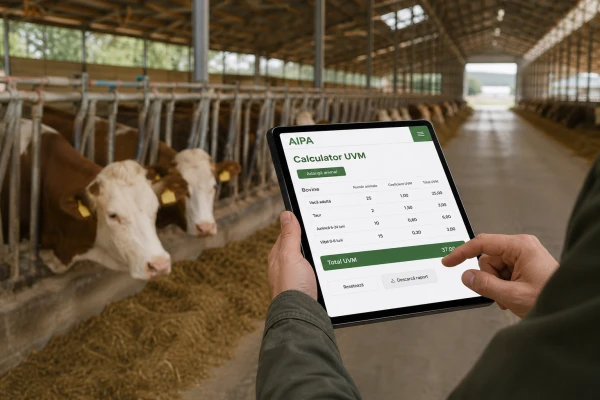
During the first week of September, the AIPA approved the payment of 3.9 million lei in subsidies to Moldovan farmers
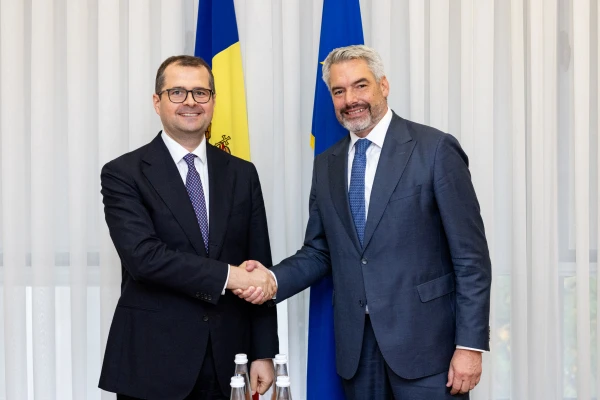
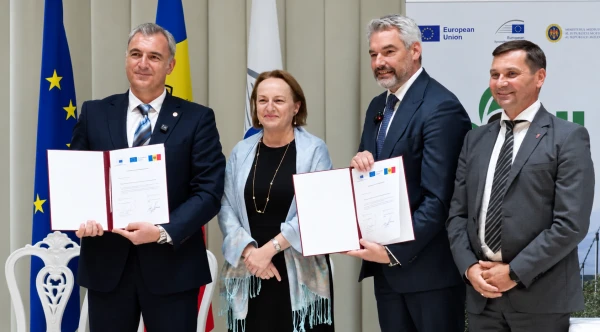
Vienna will host the next meeting of the Moldovan-Austrian Intergovernmental Commission on Economic Cooperation, where the parties will discuss key areas of the bilateral agenda—ranging from energy and trade to education and intellectual property. On the sidelines of the meeting, talks are scheduled with government and business representatives, as well as the signing of documents that could set new benchmarks for economic cooperation between the two countries.
Moldova is drafting new regulations governing market access for tractors and other agricultural and forestry equipment: registration and commissioning will now require type approval and a declaration of conformity. The initiative has already passed its first reading, but questions are being raised in parliament about exactly how the oversight system will work and whether it will lead to an increased burden on the used equipment market.
Moldova's economic agenda is being reshaped by a mix of fiscal revisions, a softer growth outlook and higher inflation expectations, while key infrastructure and trade developments continue to affect the business environment. At the same time, new regulatory steps in agriculture, labor market data and banking indicators point to important shifts that market participants will want to watch closely.
Agrocereale believes that the licensing regime for grain and oilseed imports should not be a political ban, but rather a flexible tool that can be activated or deactivated depending on market conditions. The association points out that the decision should be based on actual production, consumption, and processing needs so as not to put pressure on prices for farmers while at the same time ensuring that processing plants are not left without raw materials.
Loading…