

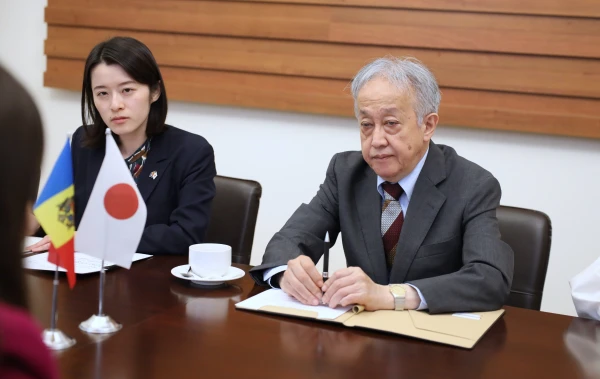
Japan will continue to support Moldova's sustainable economic development
Japan will continue to support Moldova's sustainable economic development
Japan will continue to support Moldova's sustainable economic development

A Public Finance Confidence Barometer has been launched in Moldova as part of a financial education project

Moldova's business agenda is being reshaped by a wave of fiscal, energy and investment decisions, with parliament advancing a broad tax package, new rules for key market segments and major infrastructure projects. At the same time, regulators are signaling possible pressure on household electricity bills, while international lenders and partners are moving ahead with fresh financing and modernization plans.
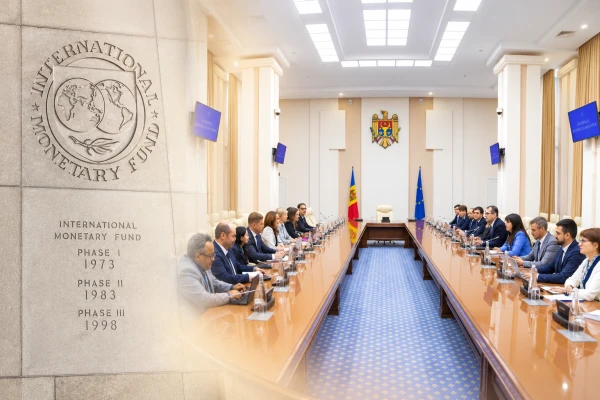
An IMF mission has begun its work in Moldova and will discuss with the government its economic policy priorities and reforms, as well as further support from the Fund


Moldova's state social insurance budget ended the first nine months of 2026 with a deficit, while revenues and expenditures increased significantly compared to last year. Transfers from the state budget and trends in mandatory contributions played a significant role in shaping the balance, but the overall gap between revenues and expenditures persisted.

Moldova Begins Drafting Budget Laws for 2027

An IMF mission will soon arrive in Moldova: the parties have already agreed on the agenda for the upcoming talks and discussed key issues related to the macroeconomic and fiscal situation. The focus will be on measures to support the population, priorities for cooperation, and potential international assistance to continue reforms and strengthen institutional capacity.

Since the beginning of 2026, the National Tax Administration has collected 68.6 billion lei for the national public budget, which is 7.1 billion lei (11.5%) more than during the same period last year
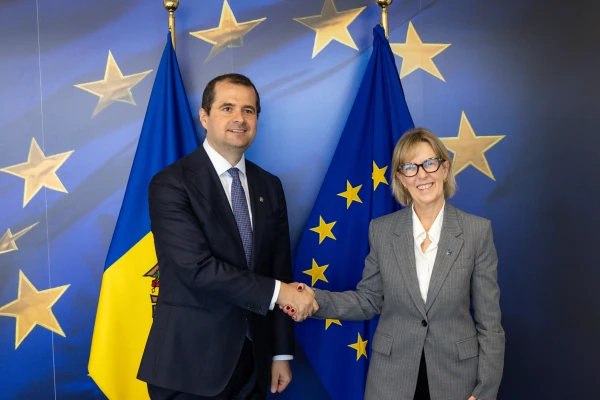
Moldova is discussing with the European Commission new measures to reduce the budget deficit and bring the financial sector into line with EU standards. The talks in Brussels also touched on tax reform, the restructuring of state-owned enterprises, and further conditions for receiving European support.
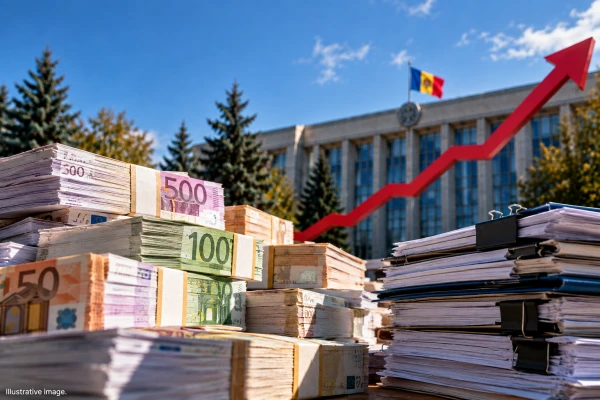
Moldova's national debt increased significantly in the first half of the year, while the structure of public debt continued to show mixed trends: some segments grew, while others shrank. The Ministry of Finance also disclosed changes in domestic and external debt, as well as in government guarantees and refinanced funds—the details show how the debt burden has changed across different parts of the sector.

Moldova enjoys a high level of trust from external partners and investors, but its financial stability must translate into investment, economic growth, and increased productivity and competitiveness—Vasile Tofan

Moldova's state budget deficit for January–August 2026 totaled 8.721 billion lei, which is 1.2428 billion lei (16.6%) higher than the figure for the same period in 2025.

Moldova's external public debt increased by $368.98 million (+7.7%) in January–August 2026, reaching $5 billion 179.59 million as of August 31
Loading…