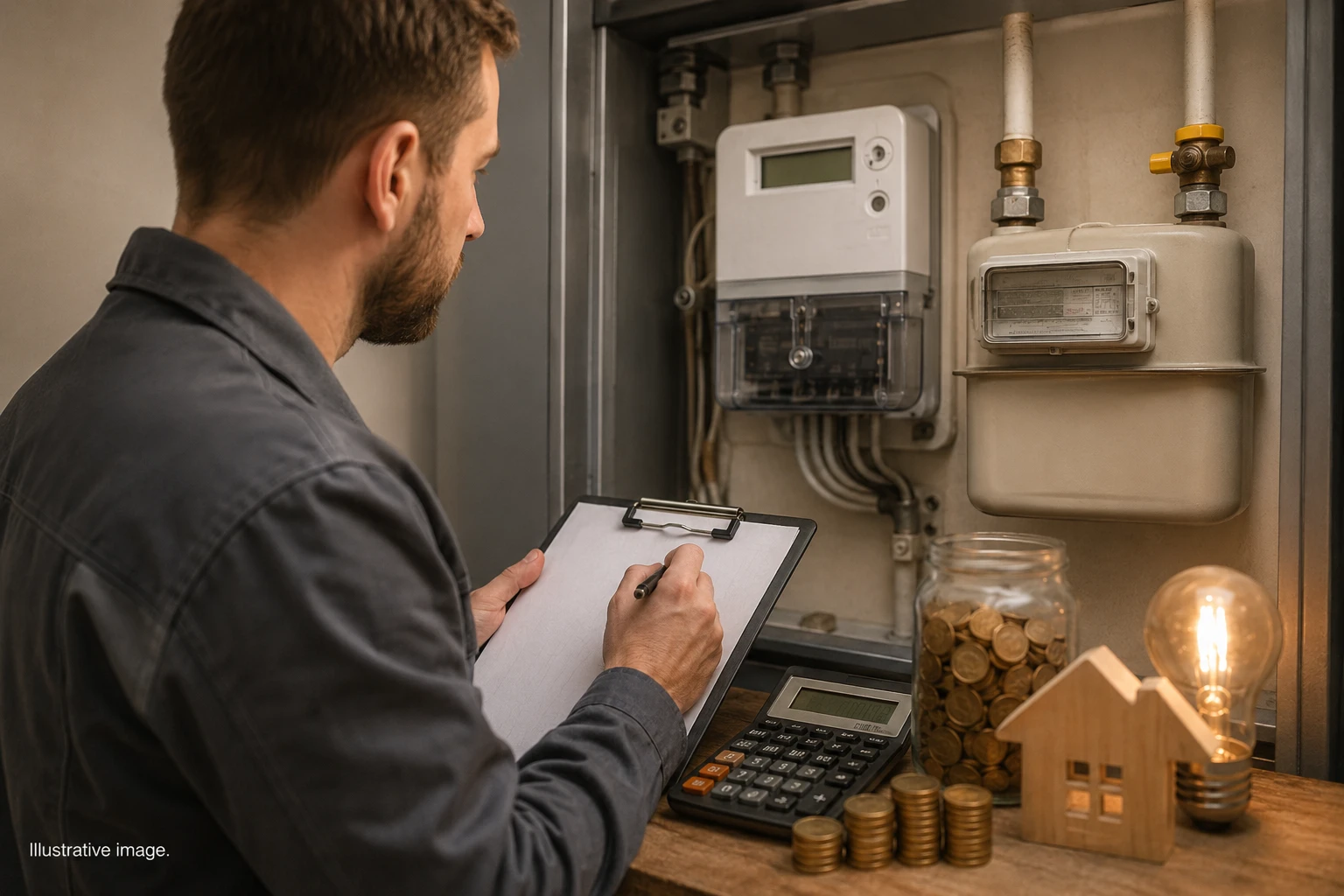
According to the Ministry of Energy, meters in Moldova are currently inspected once every 4 years for three-phase meters and once every 8 years for single-phase meters (found in most apartments and small houses). The cost of meter inspections is included in distribution rates, and it is estimated that extending the inspection interval could reduce the operator's annual expenses by approximately 40 million lei (excluding VAT). By comparison, in EU countries, meters are inspected once every 8 years. Furthermore, the experience of distribution operators shows that a meter's service life significantly exceeds the frequency of inspections, and discrepancies identified during inspections are extremely rare. Today, at a meeting convened by Energy Minister Dorin Jungietu with electricity and natural gas distribution system operators, as well as with the leadership of the National Energy Regulatory Agency, measures to optimize operations were discussed. The Minister of Energy noted that in recent years, electricity and natural gas prices have been rising worldwide, which has had a significant impact on Moldova and the rates paid by the population. "We want to minimize the burden on citizens in the form of utility bills and are looking for ways to save money in all processes that we can optimize. One way to save money is to reduce the frequency of meter inspections, based on European practices and available technical data," said Dorin Junghietu. The meeting featured the results of an analysis conducted by the Ministry of Energy, which shows that extending the interval between meter inspections—in line with practices used in several European Union countries— and manufacturers' specifications could yield significant savings for distribution network operators and, consequently, for consumers. Representatives of distribution network operators welcomed the initiative and confirmed that they have been promoting this approach for many years. Premier Energy Distribution noted that metrological inspections are currently conducted at intervals that could be shortened by amending the regulatory framework, given that meter manufacturers guarantee their operation within optimal parameters for significantly longer periods. At the same time, the company emphasized that the service life of a meter is approximately 18 years, and the proposed measures apply to all types of meters, not just "smart" meters. For its part, RED-Nord reported that it conducts annual tenders for metrological inspections of meters, at a cost of approximately 2 million lei, with total annual expenses for these inspections reaching about 5 million lei. According to the company, only about 5% of the inspected meters show deviations exceeding the permissible limit, and most of these are older meters that have already undergone a second metrological inspection. In the natural gas sector, operators presented data showing that a significant portion of residential consumers have low consumption levels, and the costs of maintaining and inspecting meters in some cases exceed the revenue from the services provided. These facts underscore the need to find more effective solutions that would reduce costs without compromising the safety and accuracy of consumption metering. The Ministry of Energy and the National Agency for Energy Regulation will continue their technical and economic analysis in collaboration with distribution network operators and will develop proposals to amend the regulatory framework based on European standards, the experience of other countries, and recommendations from equipment manufacturers. // 17.08.2026 — InfoMarket
Moldova Wants to Reduce Electricity and Gas Meter Inspections to Lower Rates
Moldova plans to follow the EU's example and reduce the frequency of inspections of electricity and gas meters in order to lower operators' costs and the rates paid by citizens