

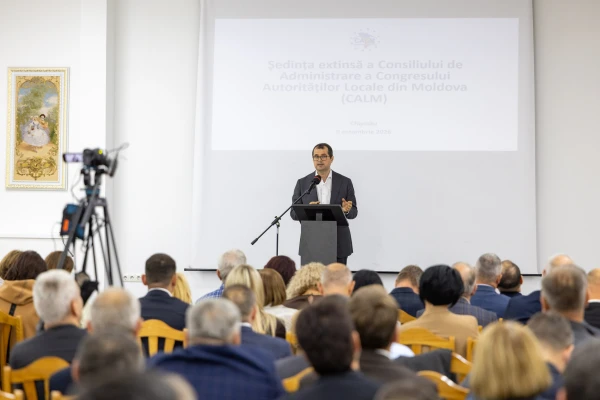
Moldova has called for strengthening local self-government to attract European funding
"Moldova needs to establish strong local governments capable of attracting and managing European funds," said Vasile Tofan
"Moldova needs to establish strong local governments capable of attracting and managing European funds," said Vasile Tofan
The European Union has launched a new project in Moldova aimed at modernizing public administration and accelerating digital reforms. The initiative provides comprehensive support to key institutions and could have a significant impact on the quality of public administration and the delivery of services to citizens.
The European Union will open two more negotiation clusters for Moldova next week, with the rest to follow by the end of the year—European Council

Moldova's public finances, trade flows and energy costs remained in focus in the latest morning review, alongside new steps in administrative reform, industrial parks and financial market regulation. The briefing also highlights changes in customs operations, transport and airport traffic, as well as fresh data on SEPA savings, local development funding and upcoming economic events.
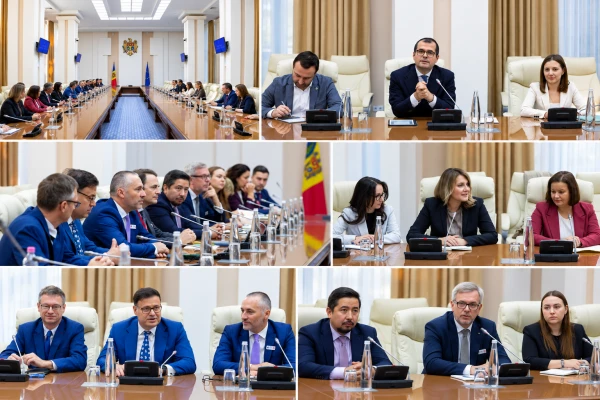
The authorities are striving to make Moldova one of the most attractive countries in Europe for business by reducing bureaucracy, simplifying procedures for investors, and creating a competitive business environment — Vasile Tofan

Moldova is preparing to transition to a unified electronic certificate that will verify the insurance history of MTPL policyholders and simplify data exchange among market participants. The initiative is linked to an update of the bonus-malus system and is intended to make the process more transparent, including for cross-border transactions; however, the draft still contains important details that have yet to be finalized.

Moldova is preparing changes to its inheritance law that are intended to simplify the processing of cases with a cross-border element following the country's accession to the EU. The draft legislation establishes new procedures for handling the European Certificate of Succession, recognizing foreign documents, and interacting with courts, notaries, and registries.

Moldova is drafting new rules for the government procurement of vehicles and transportation services: the selection process will take into account not only cost but also energy consumption and environmental impact. This initiative, part of a push toward cleaner mobility, calls for a transition to fleet modernization based on European approaches and will affect several categories of vehicles at once.

Moldova's economic and policy agenda remains active, with fresh signals from international lenders, the energy sector and the banking market shaping the outlook for the months ahead. The full briefing also covers new investment flows, regulatory changes and upcoming events that could influence business decisions and market expectations.
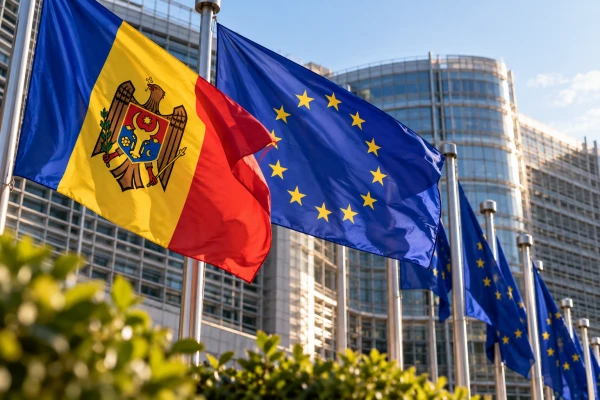
The European Union is ready to open two more negotiation clusters for Moldova: "Internal Market" (Cluster 2) and "Competitiveness and Inclusive Growth" (Cluster 3)
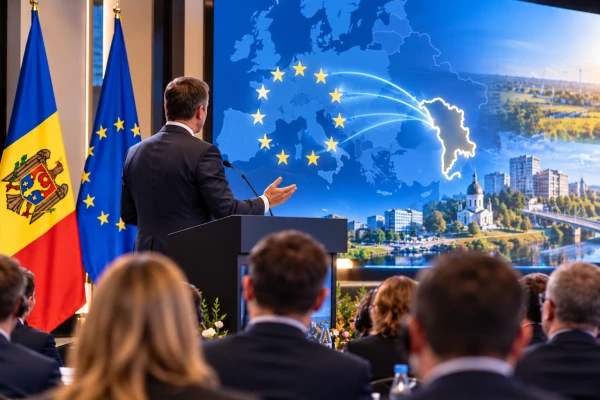
Prime Minister Vasile Tofan called on European companies to invest in Moldova and take advantage of the opportunities presented by the process of European integration

The Moldovan government has approved a bill that changes the approach to urban mobility: from parking and the removal of abandoned vehicles to prioritizing public transportation and pedestrian infrastructure. The bill also introduces new tools for local authorities, including traffic-restricted zones and separate development plans for the country's largest cities.
The European Union will provide Moldova with a new tranche of funding linked to the implementation of reforms, and the funds will be transferred directly to the state budget. The authorities have already reported on some of the commitments they have fulfilled and expect further increases in support as reforms in key sectors of the economy and public administration move forward.
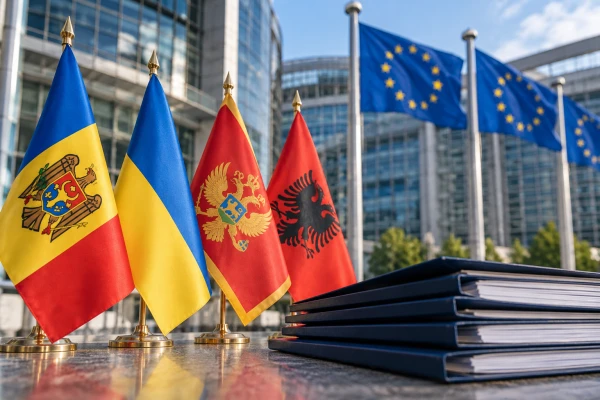
Moldova, Ukraine, Montenegro, and Albania will receive "roadmaps" for EU accession on October 28
The World Bank has updated its assessment of Moldova's economic outlook for the coming years, maintaining one of its key forecasts and slightly improving another. The new report also highlights the factors that continue to hold back growth and the conditions that will determine the economy's trajectory in the medium term.
Loading…