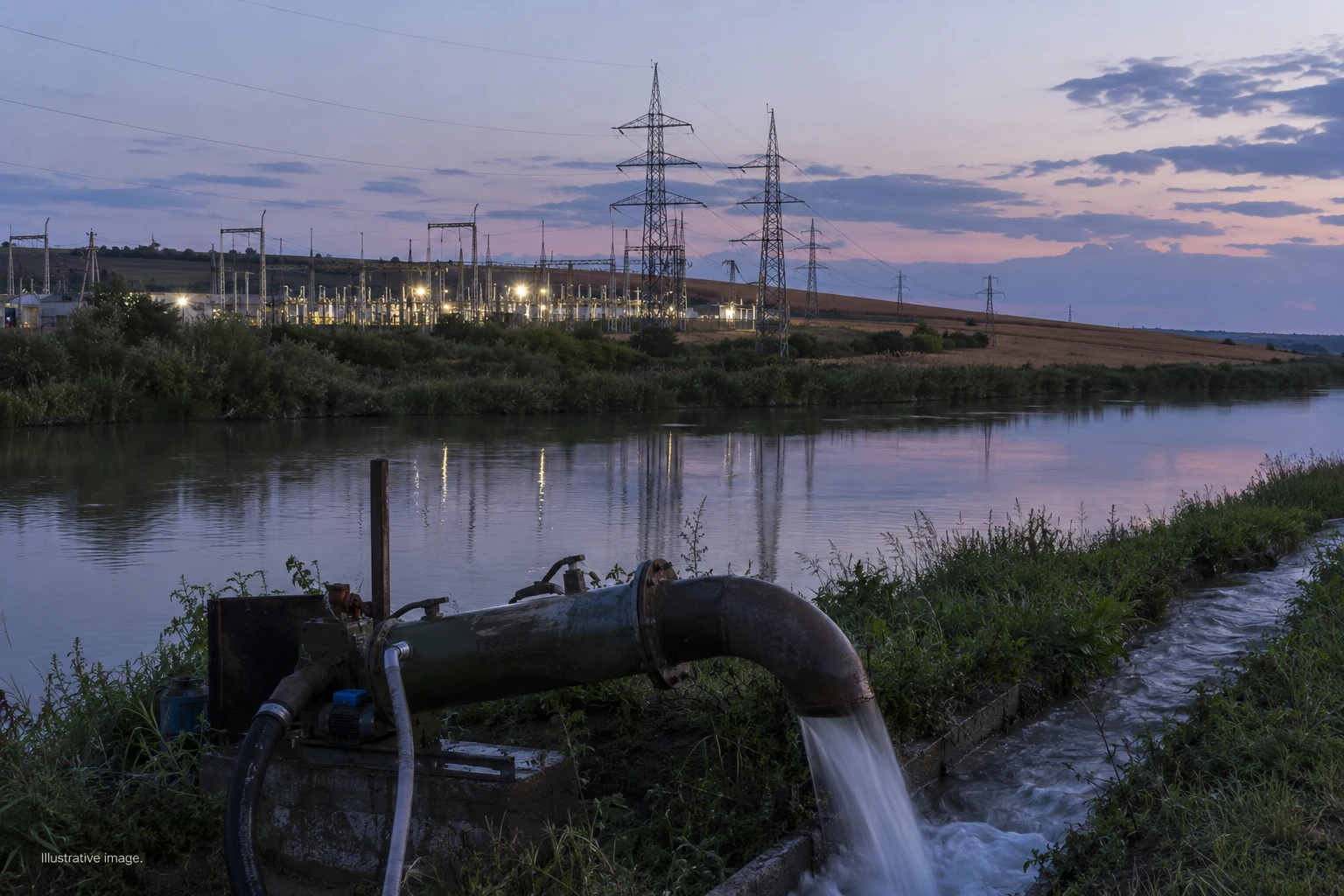
Commercial electricity exports will be restricted from 6:00 p.m. to 10:00 p.m.; large industrial consumers are being asked to shift energy-intensive processes outside of peak hours; and water withdrawal from the Dniester River for irrigation will be permitted only at night. The new package of measures was approved by the National Crisis Management Commission, chaired by Prime Minister Vasile Tofan. These decisions were made against the backdrop of rising prices on regional energy markets, the need to import a portion of the electricity consumed, and falling water levels in the Dniester River. The authorities intend to simultaneously reduce the load on the power grid and conserve available water resources for the population's priority needs. The state-owned company Moldelectrica will restrict export deliveries from 6:00 p.m. to 10:00 p.m. This measure will not affect the volumes required to fulfill obligations to ensure energy supply security. Energocom JSC has been tasked with finding additional sources of electricity in Romania, Ukraine, and other markets accessible via transit. The company must prepare procurement plans for the next 7–14 days and report daily to the authorities on price changes, required volumes, and necessary funding. Moldelectrica will strengthen its cooperation with the power system operators in Romania and Ukraine, including to obtain emergency assistance if necessary. At the same time, temporary measures to reduce consumption are being implemented. In public buildings and retail spaces, interior lighting must be reduced by at least 30% where possible, and lights in vacant spaces must be turned off. From 6:00 p.m. to 6:00 a.m., fountains, storefront lighting, and decorative, architectural, and advertising lighting will be turned off. Businesses using electric furnaces, smelting facilities, and other energy-intensive equipment must shift their peak load outside the periods from 6:00 a.m. to 9:00 a.m. and from 6:00 p.m. to 11:00 p.m. During these same hours, water and sewer operators must optimize pump operations. Residential building managers are instructed to recommend that residents use elevators less frequently during peak consumption hours to avoid trapping people in the event of possible power outages. To increase domestic capacity more quickly, power system operators will prioritize applications for connecting energy storage systems, as well as solar and wind power plants equipped with batteries. Permit procedures for such projects are planned to be simplified. Certain restrictions apply to water use. The use of drinking water and water from surface sources for non-essential purposes—including washing streets and sidewalks, and filling swimming pools and recreational water bodies—will be prohibited. Water withdrawal from the Dniester River and irrigation of agricultural land will be permitted only from 9:00 p.m. to 6:00 a.m., with priority given to fruit, berry, and vegetable crops. If water levels in certain areas reach critical levels, the Ministry of the Environment will be able to temporarily suspend water abstraction entirely. Industrial enterprises not involved in food production, medicine, or public health must reduce their water consumption by at least 20%. Local authorities have been instructed to activate backup wells if necessary. Apă-Canal Chișinău S.A., in cooperation with central and municipal agencies, must carry out the work necessary to maintain Chisinau's water supply. If the situation continues to deteriorate, the General Inspectorate for Emergency Situations will prepare water tankers to deliver drinking water to communities facing shortages. //August 3, 2026 – InfoMarket.
Moldova will restrict electricity exports during peak hours and nighttime irrigation from the Dniester
Moldova will restrict electricity exports during peak hours, and irrigation from the Dniester River will be permitted only at night